

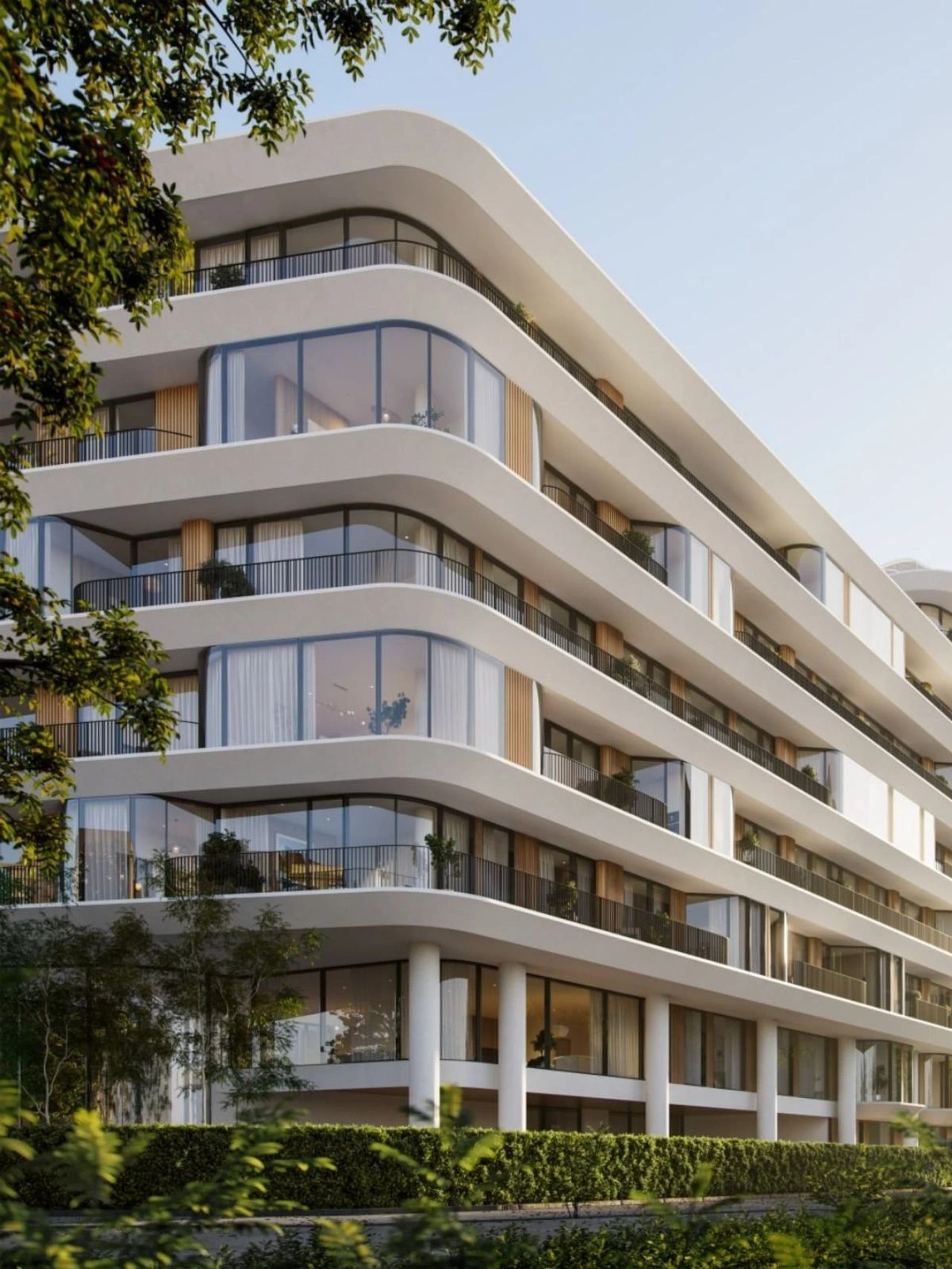
Which Floors are the Most Desirable for Buying an Apartment?
Buying an apartment involves a series of decisions, and one of the most important is the choice of floor. At first glance, the floor may seem like a matter of personal preference, but in practice it significantly affects the property’s price, comfort, safety, and resale potential. While some floors are among the most sought-after, there are others buyers often avoid. A well-chosen floor can increase the value of your investment and make life easier in the long run. In our guide, we’ll show you which floors are the most desirable for buying an apartment, and which are best avoided.
Basement – the least desirable option
The basement almost always ranks at the bottom of desirable floors for buying. The main reasons are lack of natural light, higher humidity, and a feeling of confinement. These apartments often have a lower market price precisely due to these disadvantages. Still, a basement can be acceptable for buyers looking for a more affordable property in an attractive location or those in need of business space. For long-term living, however, the basement is a solution most buyers avoid, except in specific situations. Basements are also exposed to flooding risks.
High ground floor – a compromise between ground and first floor
The high ground floor is often seen as a compromise solution because it combines the advantages of the ground floor and the first floor. Apartments at this level have good accessibility, which is practical for families with children and the elderly, but offer more privacy and security than a standard ground floor. Buyers often choose the high ground floor because it is not exposed to passersby’s view from the street and at the same time does not require using the elevator. Thanks to this balance between comfort and accessibility, the high ground floor can be an attractive option, especially in buildings without elevators.
Ground floor – practicality or compromise?
Ground-floor apartments have traditionally been less in demand because they are considered to offer less privacy and security. Street noise, passersby’s views, and higher burglary risks are the main reasons buyers often avoid this level. Still, the ground floor can have advantages – easy access without an elevator, practicality for the elderly or families with small children. In some cases, ground-floor apartments include yards or terraces, which can be a big plus.
First floor – a popular choice
The first floor is often considered a good balance between accessibility and privacy. People gladly choose it because they don’t depend on an elevator, while at the same time enjoying greater safety and quiet than on the ground floor. It is especially desirable in buildings without elevators, where it is considered the most practical option. However, in older buildings where business premises are located on the first floor, buyers tend to be cautious.
Middle floors – the “golden mean”
The most sought-after apartments are always on middle floors. The reason is simple – they offer the best balance between accessibility, privacy, and comfort. In buildings with elevators, the third, fourth, and fifth floors are considered the most desirable. These apartments are less exposed to street noise and dust, while still not too high to rely solely on the elevator. That’s why the price per square meter on these floors is often higher compared to the ground and top floors.
Higher floors – peace and views
Higher floors, especially in buildings with reliable elevators, are increasingly in demand. They offer peace, less noise, and beautiful city views. In modern complexes, apartments on higher floors are often luxurious penthouses that reach exceptionally high prices. However, problems may arise if the elevator frequently breaks down, which significantly reduces the apartment’s functionality and value.
Top floor – often avoided
The top floor is among those traditionally avoided by buyers. The main reasons are insulation issues, roof leaks, and greater exposure to weather conditions. It can be colder in winter and hotter in summer, which raises heating and cooling costs. However, in new buildings with good insulation and modern roof solutions, the top floor can be attractive, especially if it comes with a terrace or panoramic view.
Elevator’s impact on floor choice
In buildings without elevators, apartments on lower floors are most sought-after, while those on the fourth or fifth almost always have lower prices. In buildings with elevators, the situation is different – buyers are willing to pay more for apartments on higher floors, especially if the elevator works well. That’s why it’s important to consider the building’s condition and elevator maintenance before deciding.
Why is floor choice important?
Safety and privacy
The floor also affects the sense of security. While the ground floor can seem riskier due to easier street access, higher floors provide more privacy. For families with children, lower floors can be practical, but many still choose middle floors precisely because of the balance between safety and functionality.
Impact on price
Price per square meter varies significantly depending on the floor. The most expensive are usually apartments on middle floors and at the top of luxury buildings, while the cheapest are on the ground floor, basement, and top floor. Buyers looking to save often choose the extreme options, even though they involve certain compromises. On our blog you can read the article on how to recognize overpriced properties in listings and learn how to assess the real value of an apartment, regardless of floor.
Energy efficiency
The floor also affects energy efficiency. Apartments on the ground floor and top floor often consume more energy for heating and cooling. In new buildings, this is resolved with better insulation and heating systems, but in older buildings the difference can be significant.
Noise and quality of life
Noise is another factor. Apartments on lower floors are more exposed to traffic and street noise. Middle and higher floors provide quiet, which is especially important for families with children and people working from home. That’s why these floors are considered more suitable for peaceful living.
Convenience for the elderly
For elderly people or those with health issues, lower floors are more practical, especially in buildings without elevators. Easier access reduces dependence on infrastructure, which is key for many. That’s why the ground and first floors remain popular in this target group.
Convenience for families with children
Families with small children often choose lower floors for practicality and safety. Quick access outside, easier movement with strollers, and lower risk in case of evacuation are the main reasons for this choice. However, parents also value peace, so middle floors become the ideal option for most.
Convenience for young professionals
Young people and couples often prefer higher floors, especially those with nice views and modern amenities. This contributes to prestige and a sense of luxury, making high floors increasingly popular in new developments. In some complexes, higher floors are specially designed for this target group.
Investment aspect
If you’re buying an apartment as an investment, knowing which floors are most desirable for buying can play an important role. Apartments on middle floors are easiest to rent, while those on the ground or top floor may require lower rents to attract tenants. According to Ekapija – real estate market, location and floor are among the most important factors in the speed of renting out an apartment.
Location’s influence on floor preference
Floor preference varies depending on location. On busy streets, higher floors are more attractive because of reduced noise, while in quiet neighborhoods middle floors remain the most desirable. In luxury parts of Belgrade, the top floor can be appealing if it offers an exclusive view and terrace.
Architectural differences
Old and new construction treat floors differently. In older buildings, the top floor often carries the risk of poor insulation, while in modern complexes it can mean luxury. The same applies to the ground floor – in old buildings it is often avoided, while in new projects it often comes with a private yard.
View as a value factor
The view from the window plays a big role in an apartment’s attractiveness. Apartments on higher floors with panoramic views often have added value and reach higher market prices. This is especially noticeable in new Belgrade complexes by the river and in central parts of the city.
Liquidity and resale
If you plan to sell your apartment in the future, the choice of floor can significantly affect the speed of sale. Apartments on middle floors usually sell the fastest because they suit the largest number of buyers. Ground-floor and top-floor apartments are harder to sell, so their price often needs to be lower.
Expert help in choosing
The floor is only one of the factors to consider. The combination of location, documentation, and construction quality determines whether an apartment is a good investment. On our blog you can read the article on the most common mistakes when buying real estate to avoid usual pitfalls and better understand the whole process.
In conclusion
So, which floors are the most desirable for buying an apartment? Generally, it’s the middle floors, as they offer the best balance of comfort, price, and safety. Ground and top floors are often avoided because of noise, lack of privacy, or technical problems, but in certain cases they can be a good option. The choice of floor depends on your priorities, life circumstances, and long-term plans.
Your guide to the right choice
If you’re unsure which floor is the best option for you, professional support can make a key difference. Our agency ImoNova A, with over 25 years of mediation experience, helps you make the right decision and find an apartment that fits your lifestyle and plans.
Contact us and discover on which floor your ideal home awaits.